Exporting and importing product data is a key part of any modern commerce-solution, and in DynamicWeb 10 there are fundamentally two ways to do it:
- By using the advanced data integration framework
- By using the built-in and simpler Import/Export tools
The data integration framework is typically used as a part of a more involved and scheduled setup where you synchronize data with an external system, whereas the import/export-tools described in this article are typically used on a case-by-case basis and with some editor oversight.
Exporting data
If you need to export a subset of products - e.g. to send them to a translator - you can use the export tool to generate an .xlsx-file (an Excel spreadsheet) with the relevant field content.
To use the Export tool:
- Navigate to the product group you want to export data from
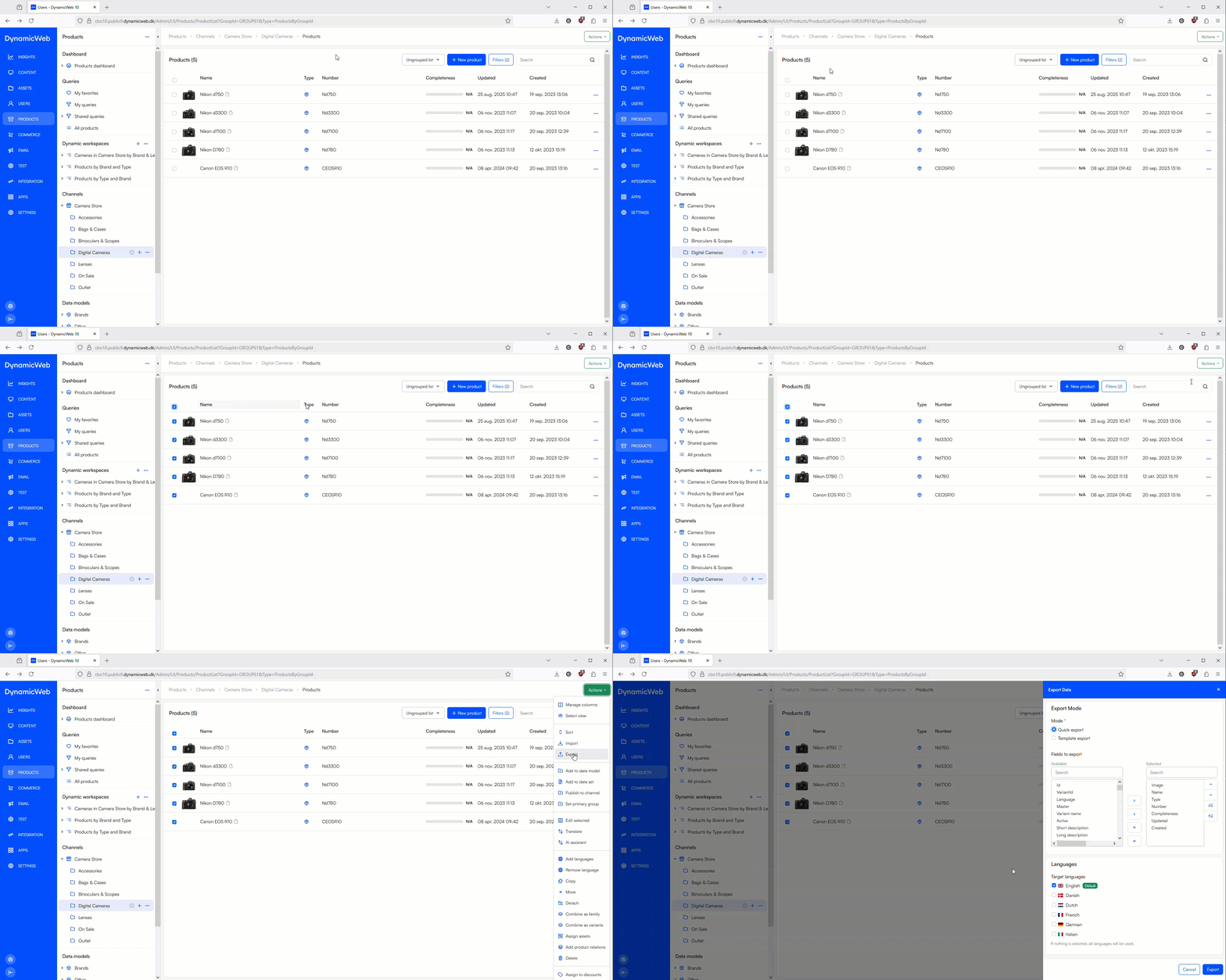
- Select the products you want to export, then use the action menu to select Export
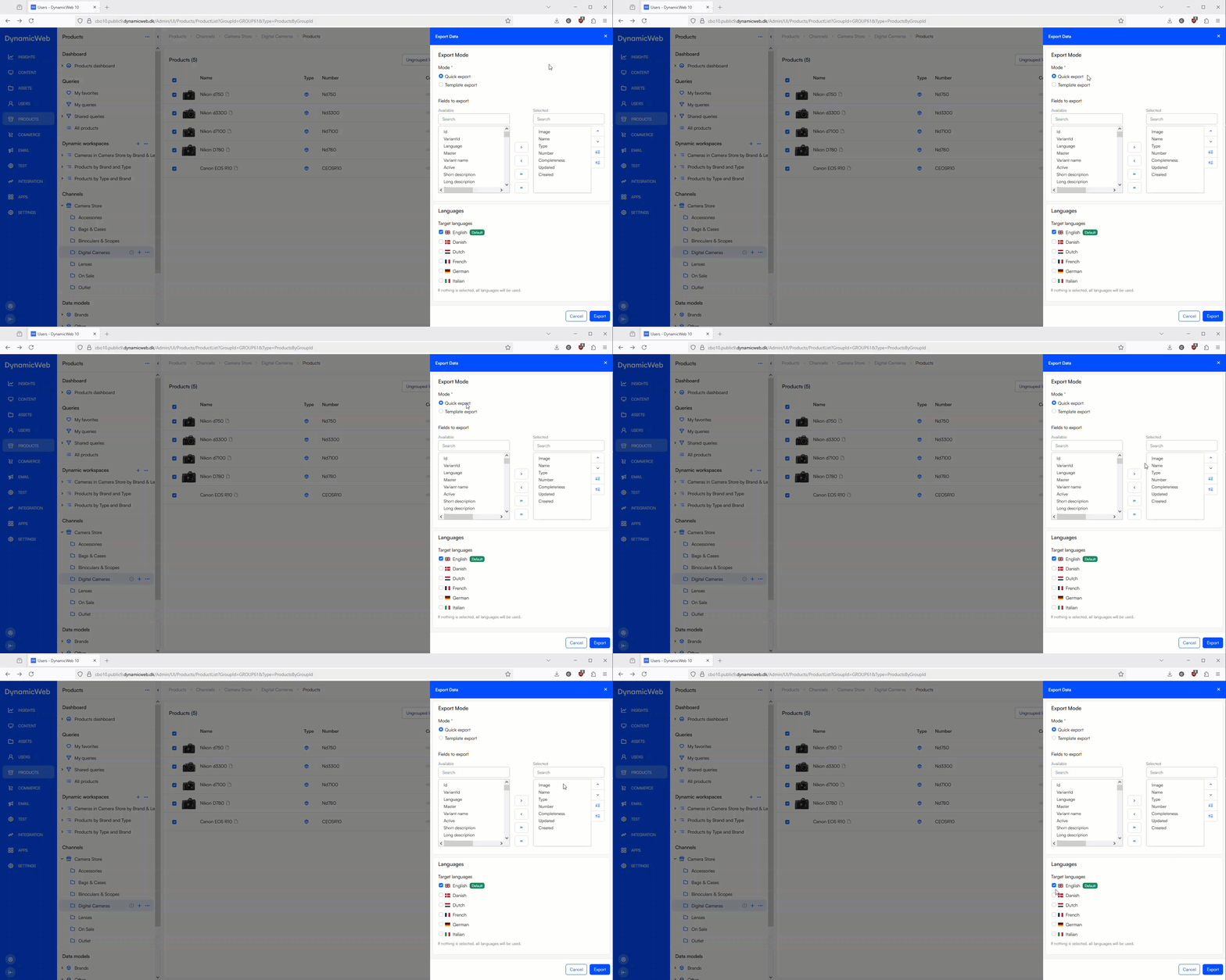
- The tool has two modes - the Quick export mode which preselects the currently shown fields for export...
 ...and the Template export mode which allows you to select a pre-configured export template
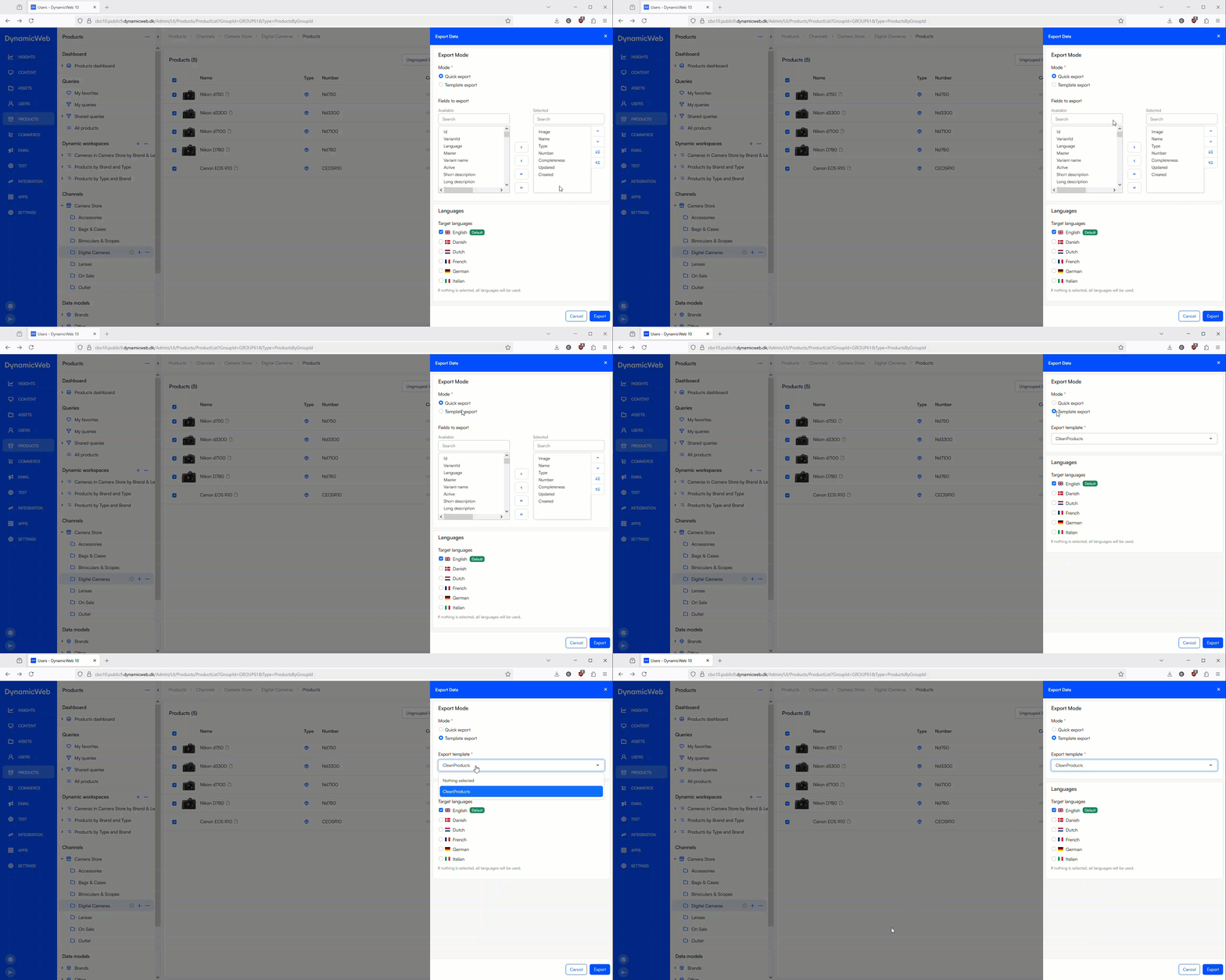
- Choose either mode, then select the languages you want to export before pressing export
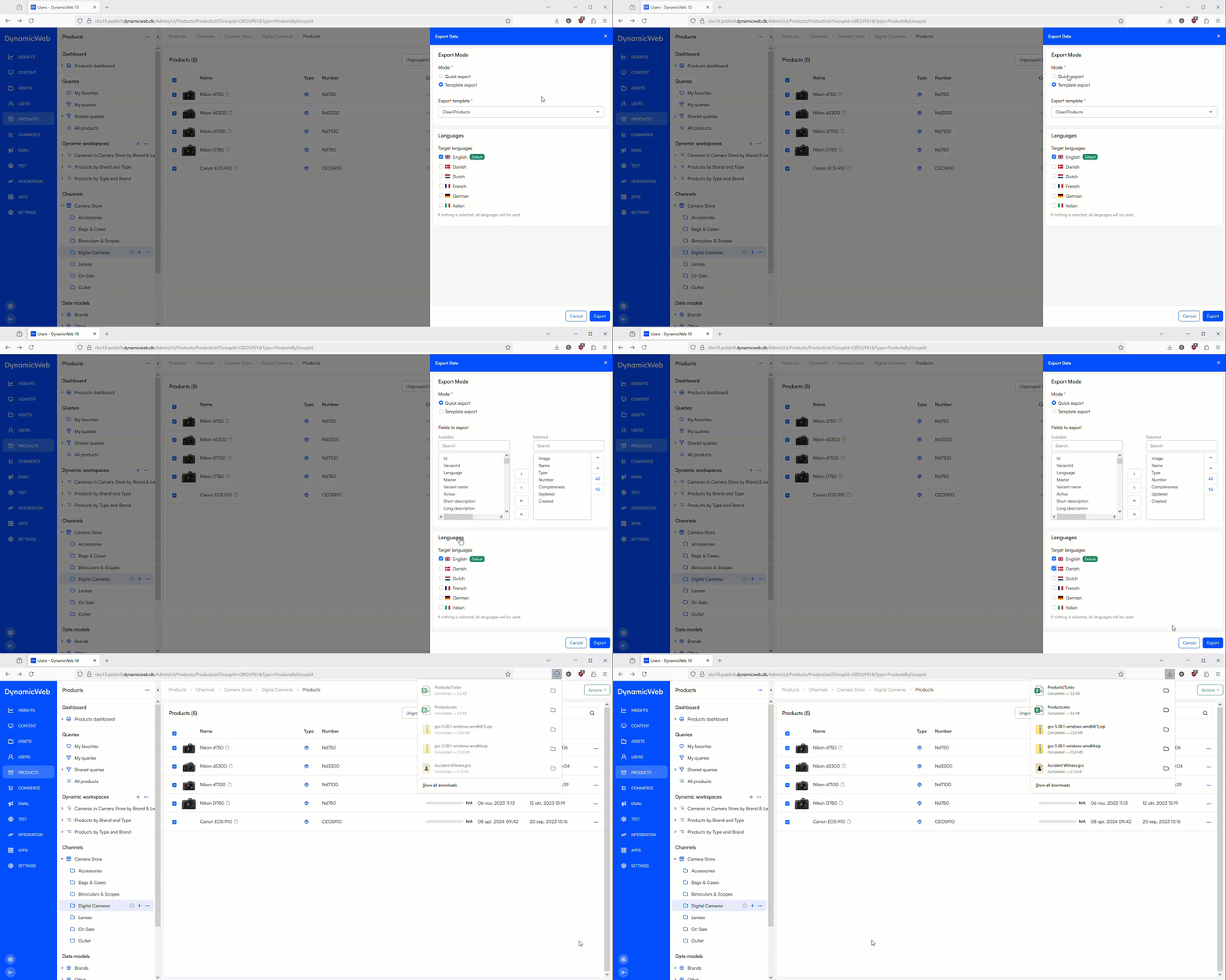
As you can see, the product data is then downloaded in an file called products.xlsx.
In general, the quick export mode is used to export the data you see on the screen, well, quickly and without necessarily wanting to reimport it. The template export mode is typically used for more structured tasks where you need to export specific fields for e.g. translation and need to reimport data to update products.
Importing data
To import product data:
- Navigate to the product group you want to import data to and use the action menu to select import
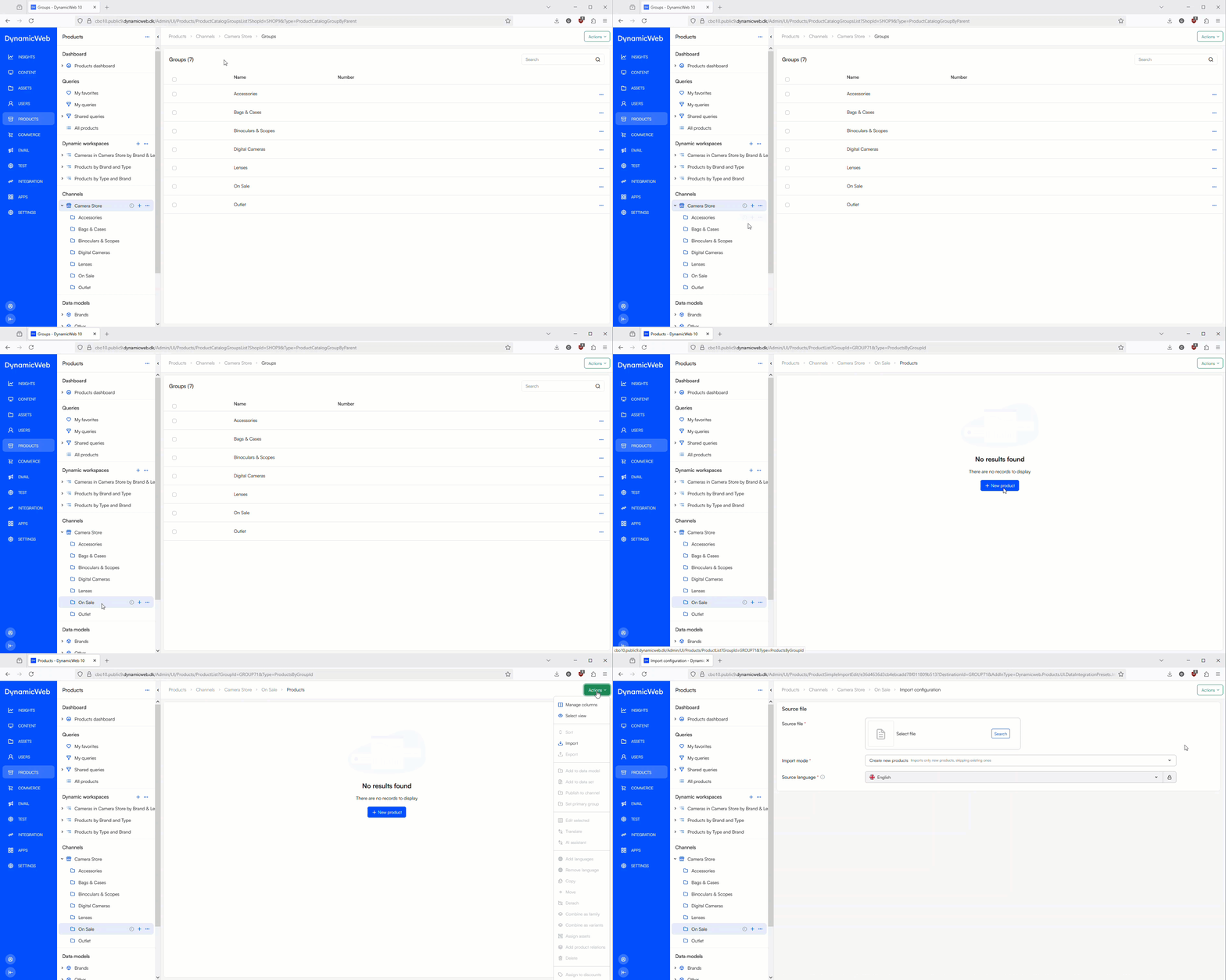
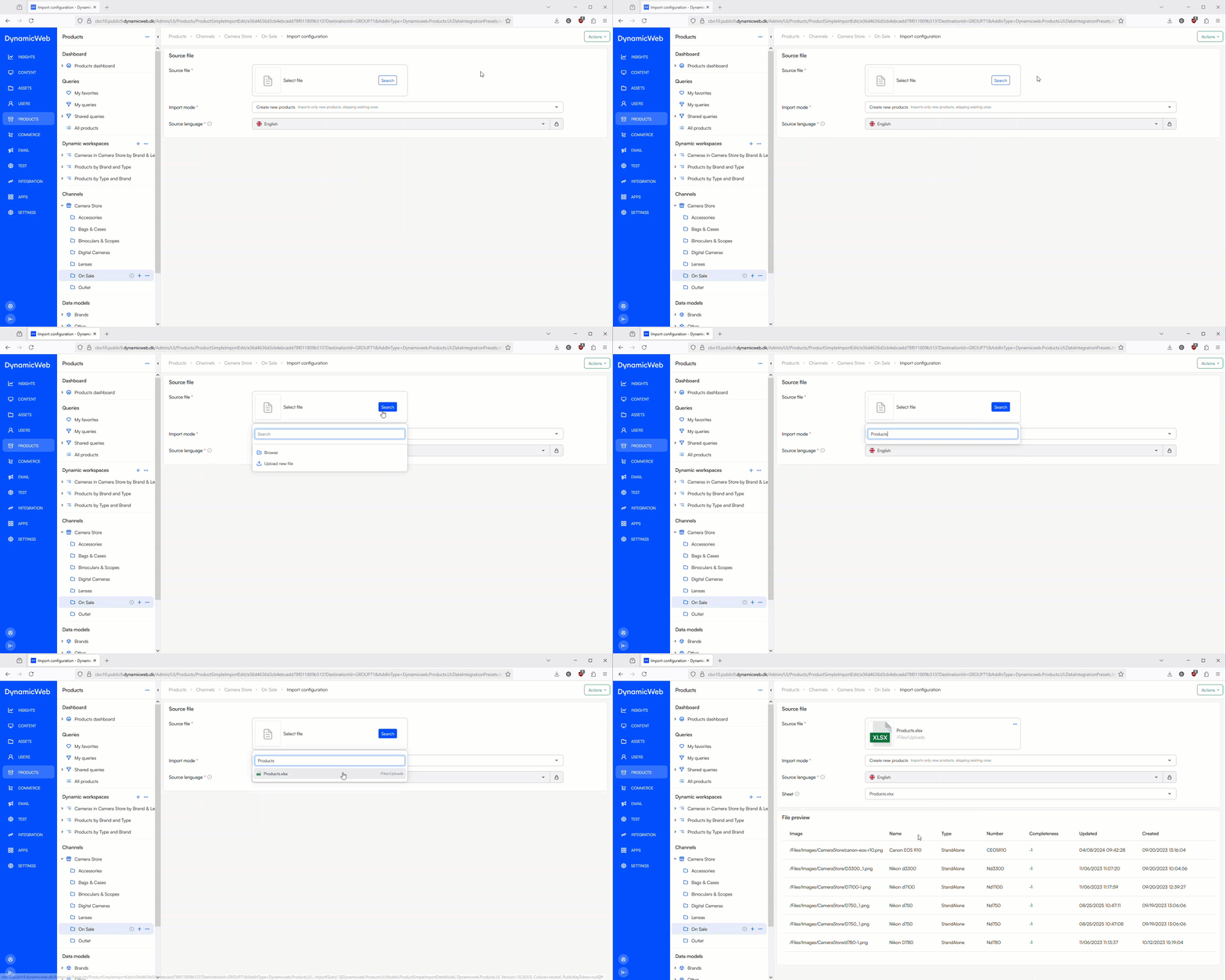
- Select or upload a source file - this will load a file preview for you
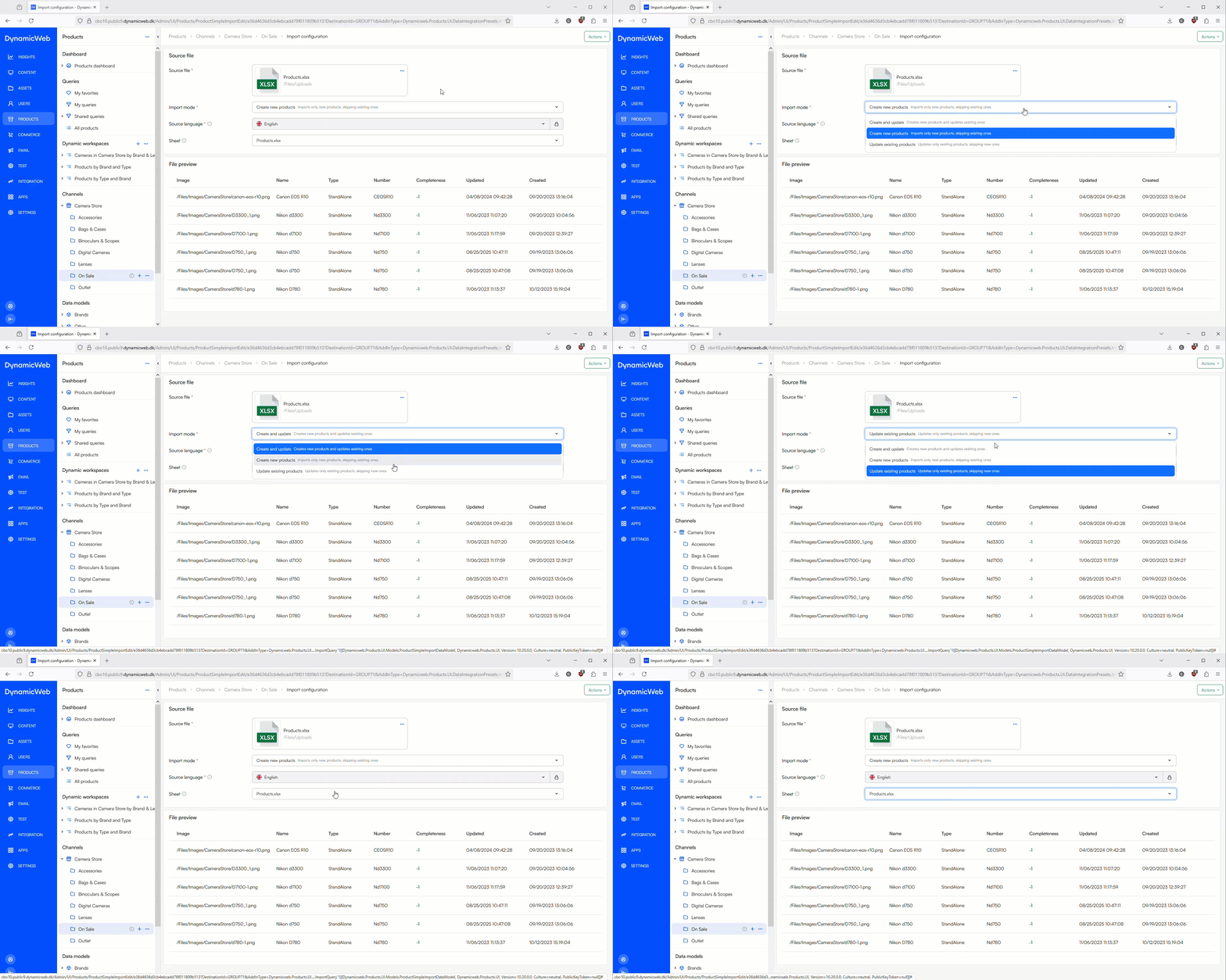
- Select an import mode - create and update, create, or update - a source language, and a sheet
- Use the action menu to click Next
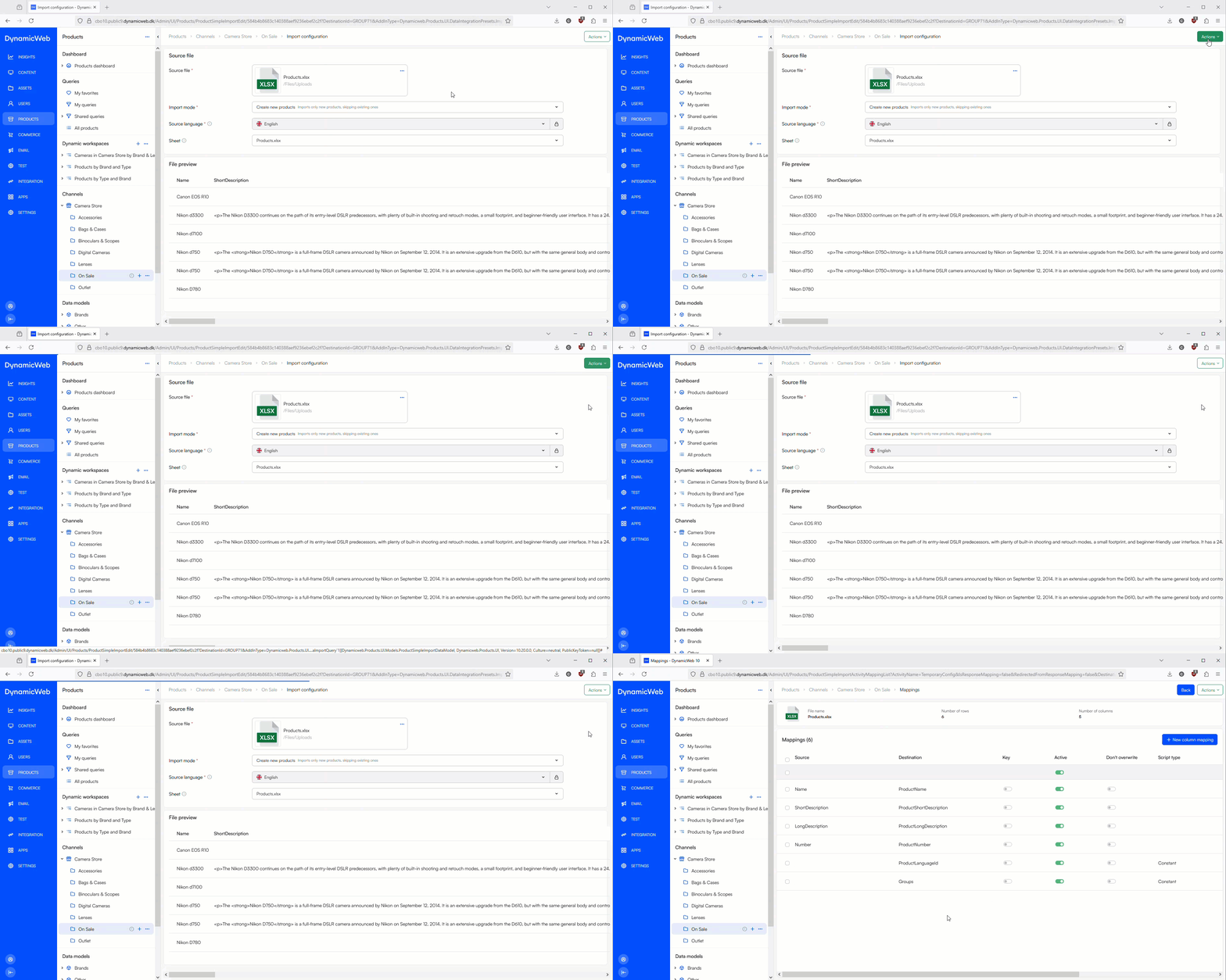
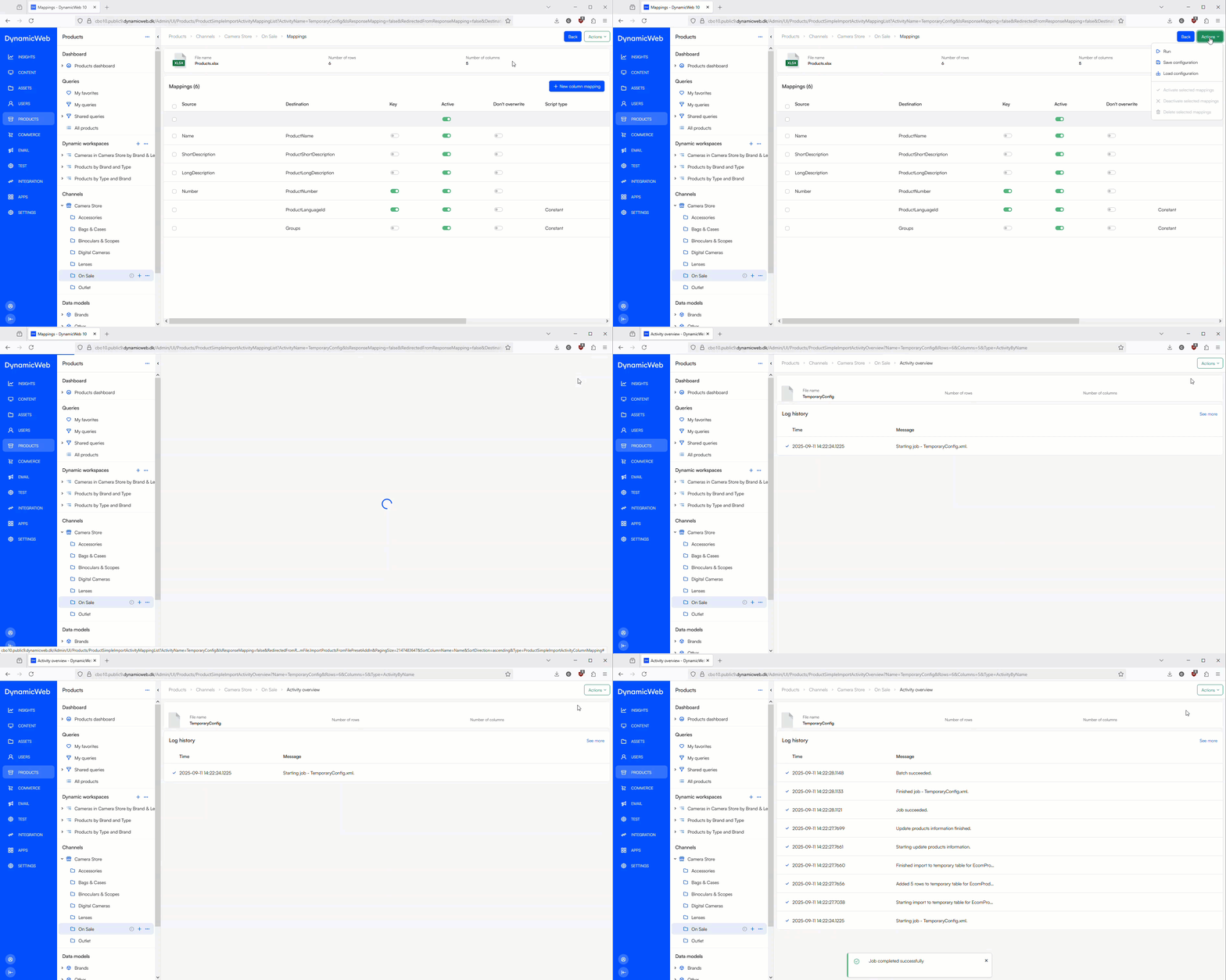
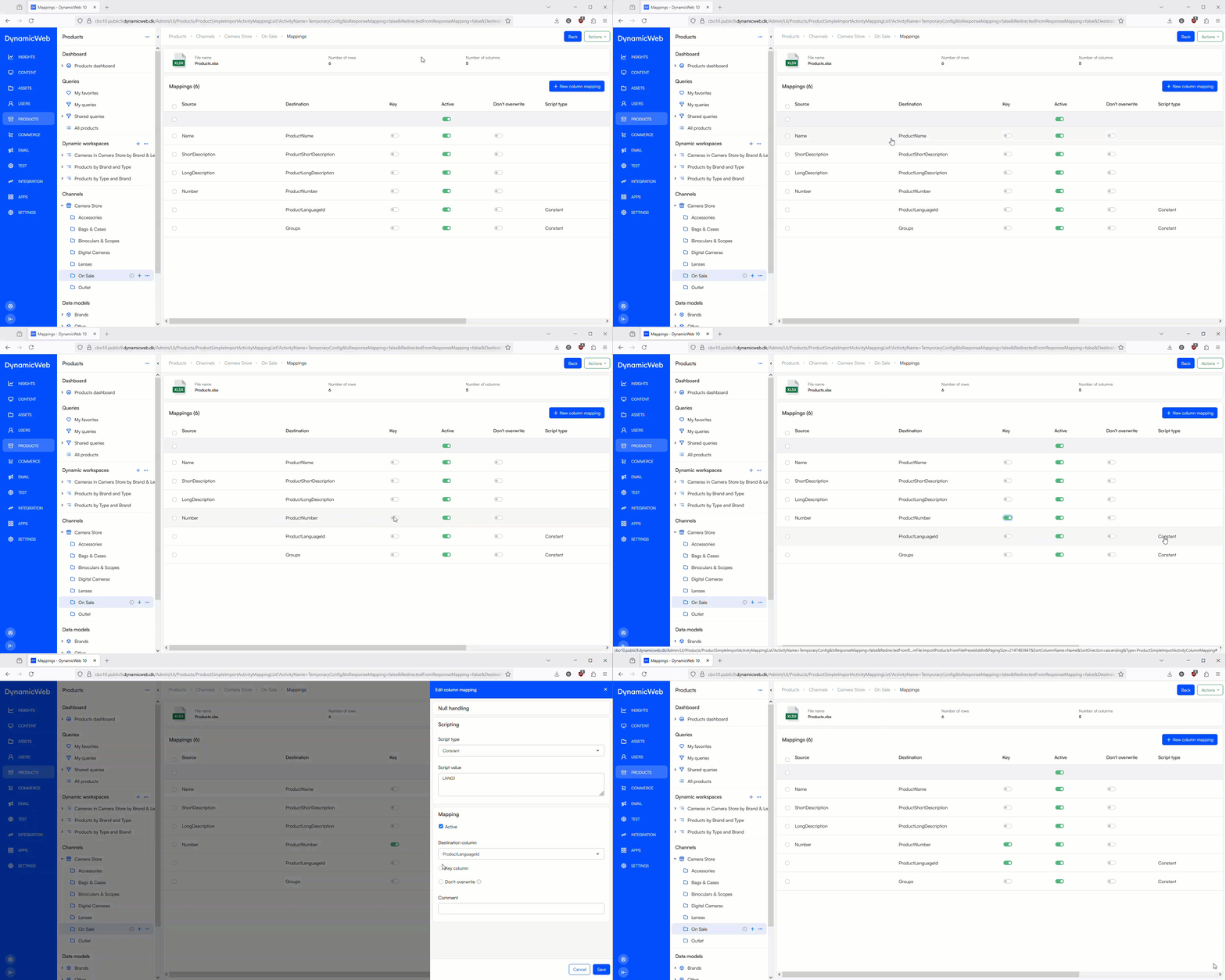
- Review the field mappings - we make an educated guess as to which source fields should map to which destination fields, but you should always make sure they're correct:
Note
If you're updating or creating products, make sure you mark the relevant fields as key fields, typically the LanguageID field and one of ProductNumber or ProductEAN. Setting the correct key fields ensures that the right products and language versions are updated and no data is unintentionally overwritten.
- Finally, use the action menu to press Run to import the products